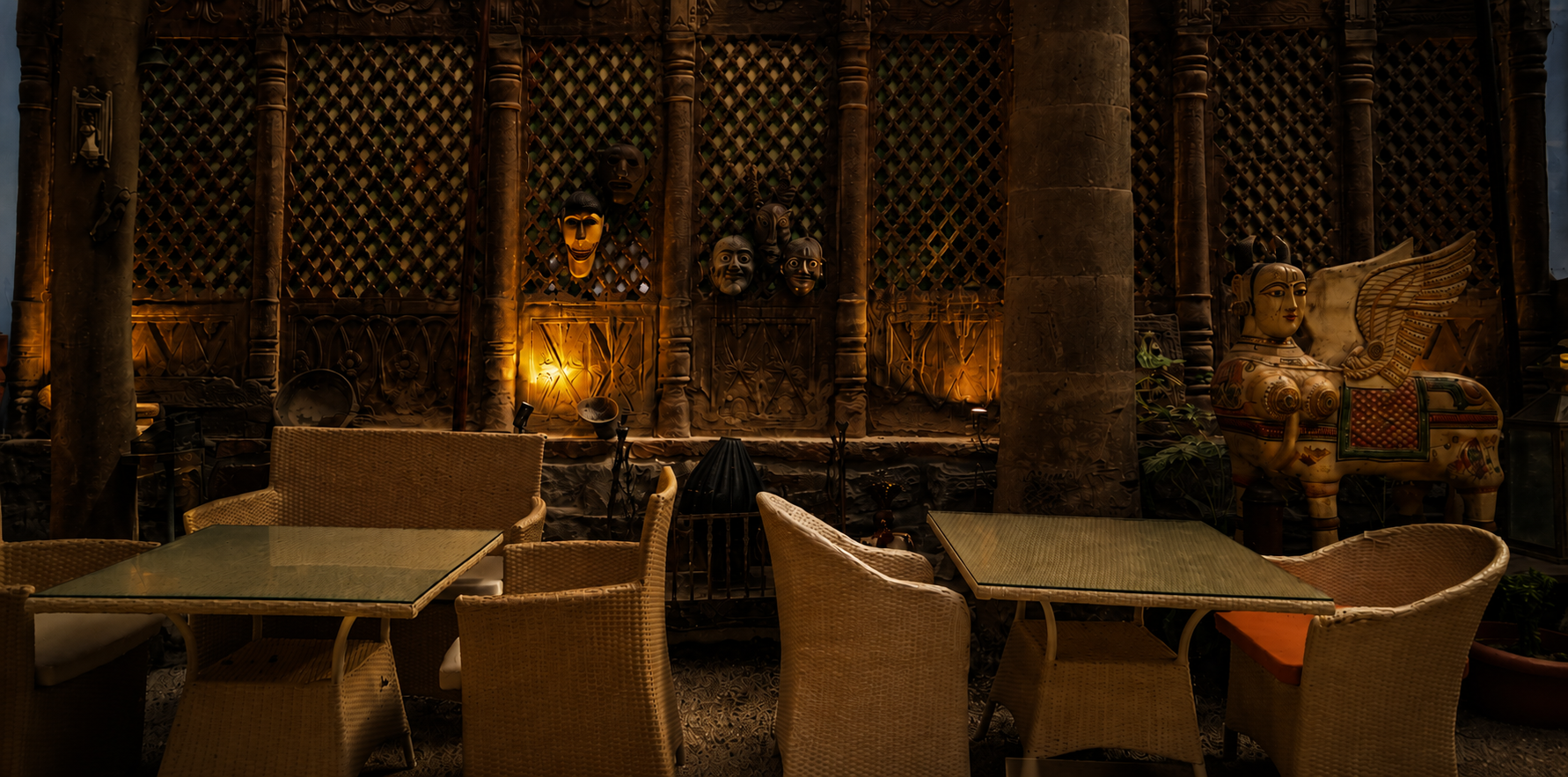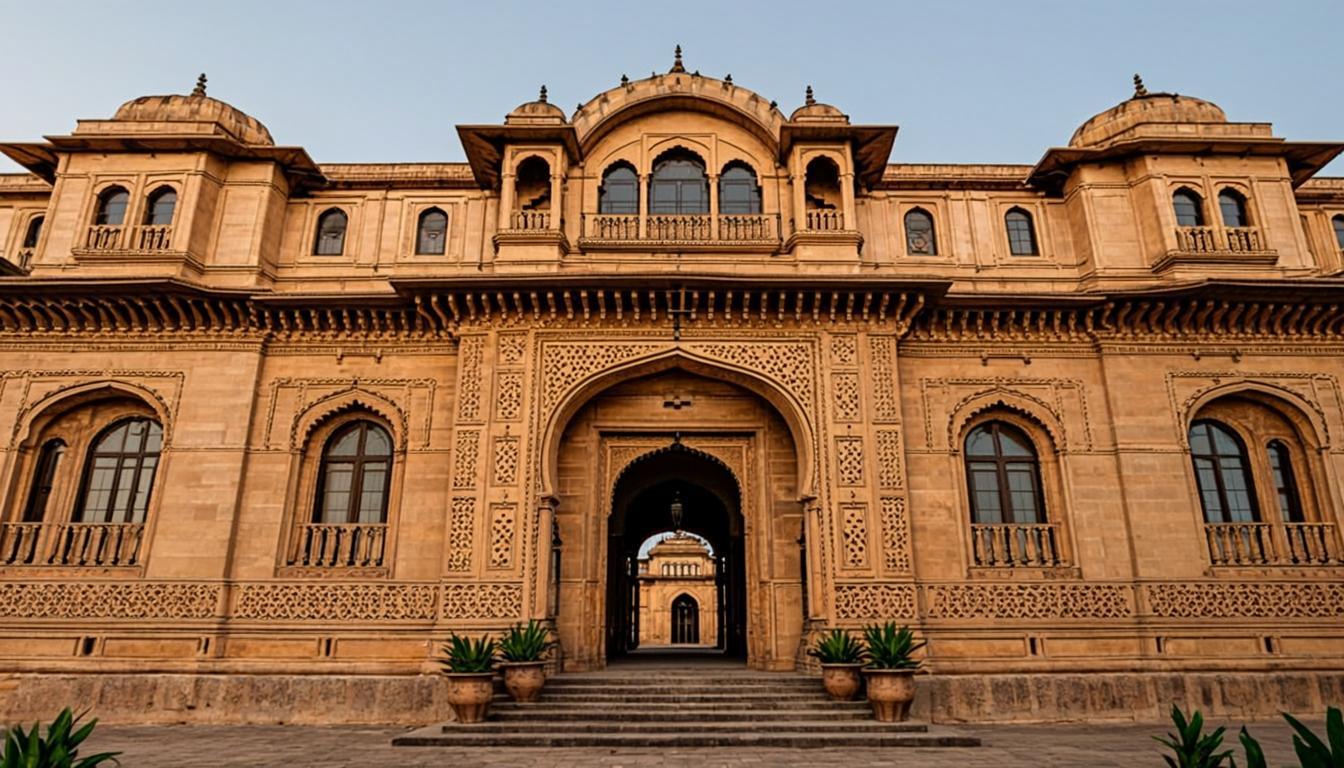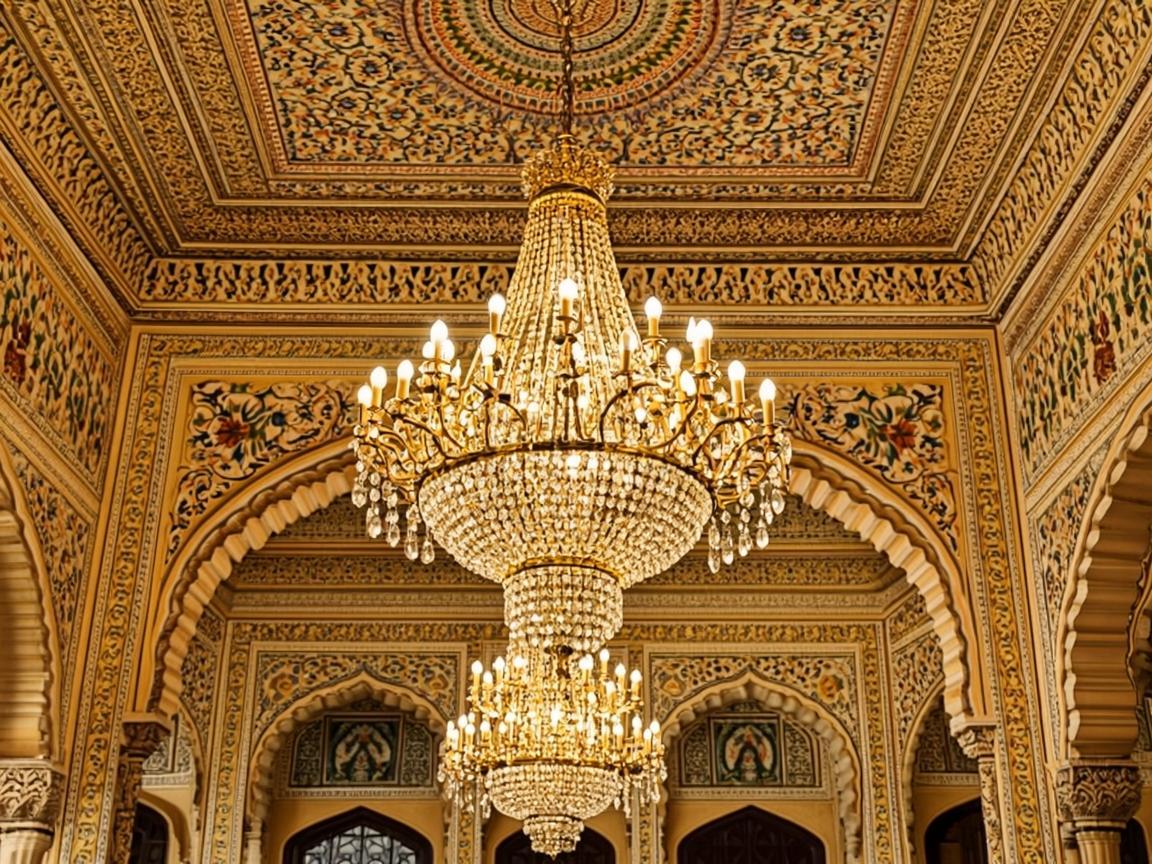
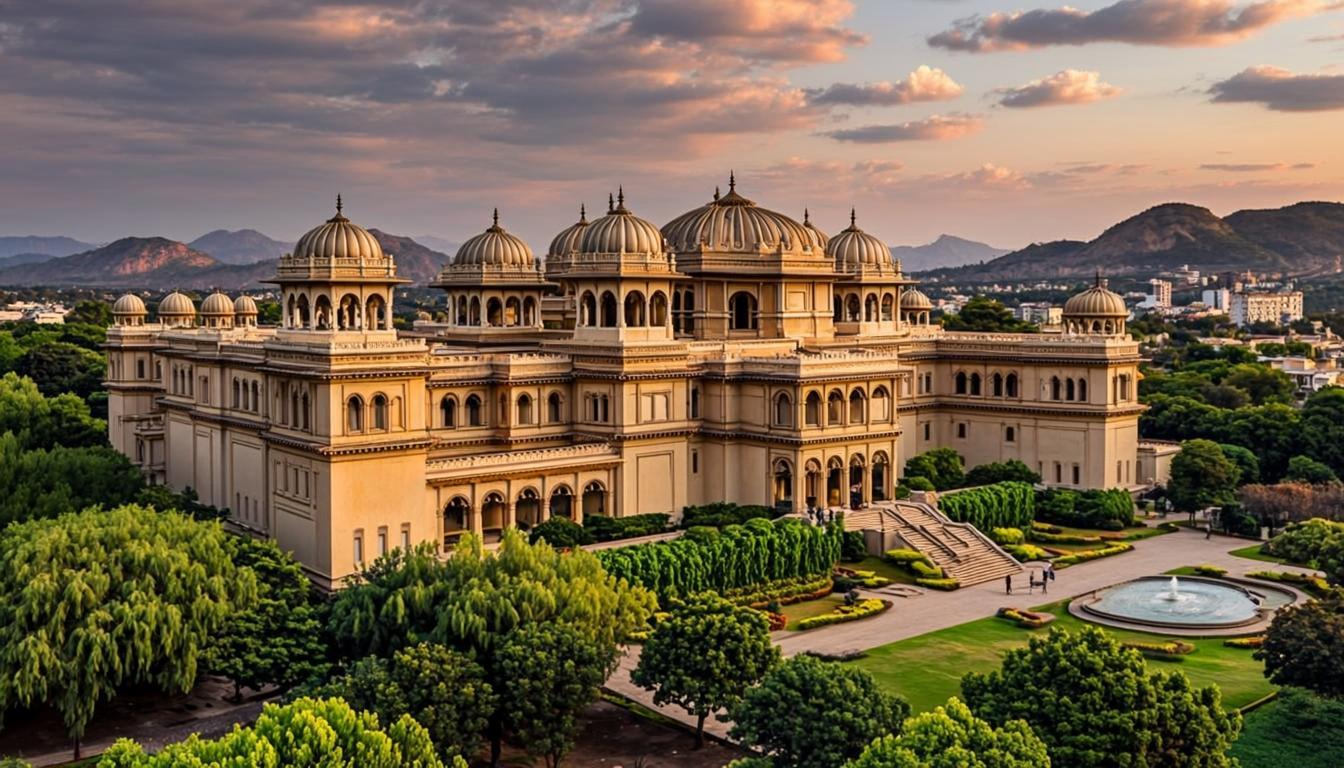
Every carved jharokha, every ornate arch, every intricate lattice screen at Jhankar Haveli tells the story of Rajput craftsmanship at its finest. Built from the golden sandstone that defines Jodhpur's architectural identity, our haveli is a living museum of Rajasthani design — where form serves function and beauty serves the soul.
The architectural heritage of Rajasthan is among the most distinctive and refined in the world. In a land where survival demanded adaptation to extreme conditions — blistering heat, scarce water, frequent warfare — the Rajputs developed an architectural vocabulary that was both pragmatic and poetic. The haveli, the traditional Rajput mansion, represents the highest expression of this vocabulary in domestic architecture. And Jhankar Haveli, standing in the shadow of Mehrangarh Fort in the heart of Jodhpur's ancient walled city, is among the finest surviving examples of this tradition.
The foundation of any Rajput haveli is its sandstone. Jodhpur sits upon vast deposits of golden sandstone — a material that is both beautiful and practical. It is soft enough to be carved with astonishing intricacy when freshly quarried, yet it hardens over time with exposure to air, becoming durable enough to withstand centuries of desert weather. The warm golden hue of Jodhpur sandstone catches and holds light in a way that gives the city its famous amber glow, particularly at sunrise and sunset when the entire city seems to radiate warmth from its walls.
The jharokha — the enclosed overhanging balcony — is perhaps the most iconic element of Rajput haveli architecture. At Jhankar Haveli, the jharokhas serve multiple functions simultaneously. They allow women of the household to observe street life without being seen themselves, maintaining the Rajput tradition of feminine modesty. They provide shade to the walls below, reducing heat absorption. They create a vertical rhythm that gives the facade its characteristic visual depth. And when carved with floral and geometric motifs — as ours are — they transform a functional element into a work of art that celebrates the natural world.